Fast moisture removal for Tulsa homes and businesses
Structural Drying and Dehumidification Tulsa OK That Gets Buildings Dry
Structural Drying and Dehumidification Tulsa OK is the process of pulling trapped moisture out of walls, floors, and crawlspaces before it turns into mold or rot. We handle building drying and moisture control Tulsa property owners call about after burst pipes, sump pump failures, and stormwater intrusion. Our IICRC-trained crews run 24/7 across Tulsa County, so drying starts the same day you call.
Live dispatcherUpfront optionsBacked workmanship
What's included
What Our Structural Drying Service Includes
Our structural drying and dehumidification Tulsa OK service covers the full drying cycle, from moisture mapping through final verification. Extraction, containment, equipment setup, daily monitoring, and documentation are all part of the job. If contaminated materials need removal or mold is already present, those are handled as separate services so your pricing stays clear.
Moisture Mapping and Scope
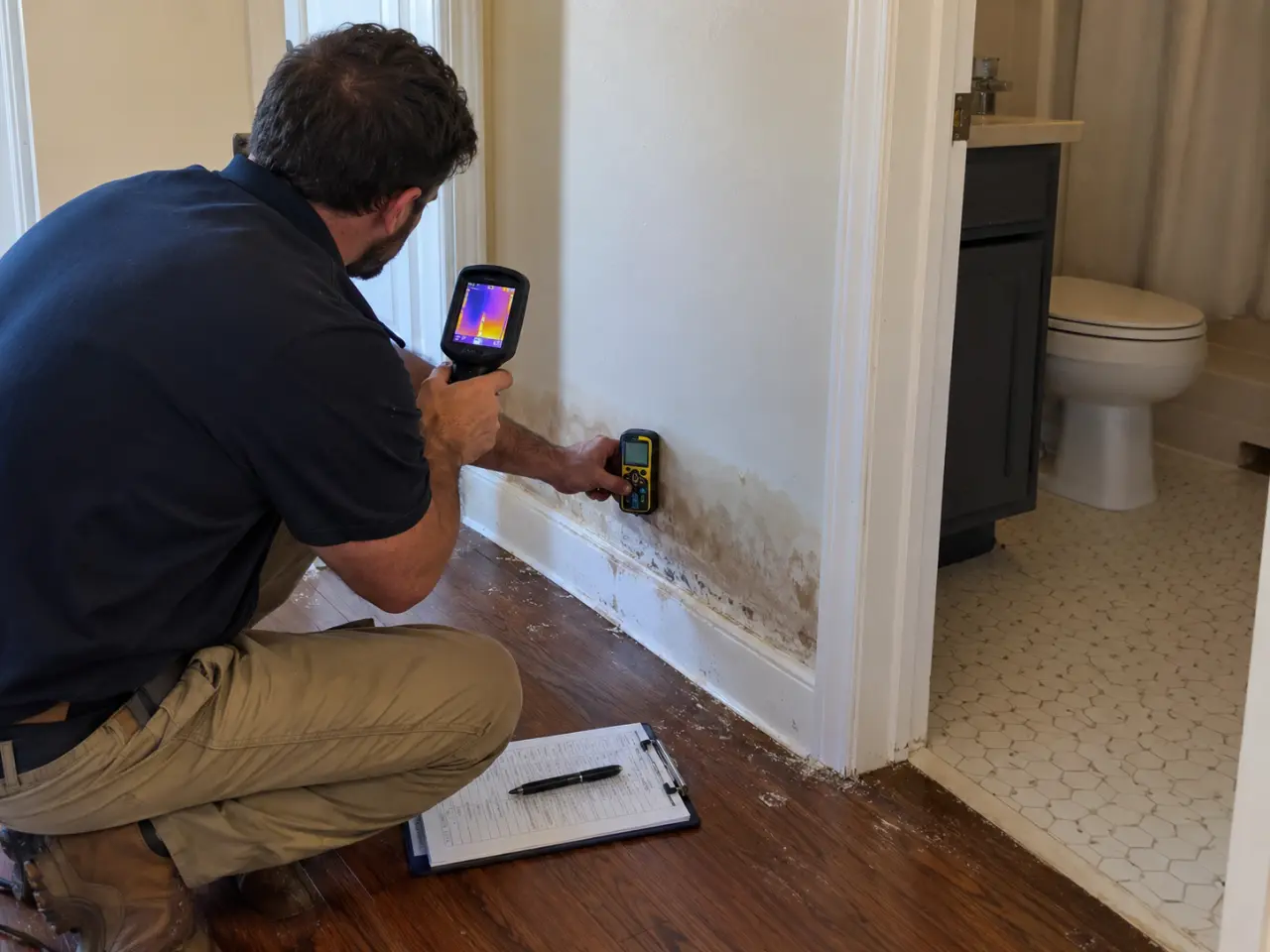
Thermal imaging and pin and pinless moisture meters map every wet area before equipment is placed. You get a written scope with the affected rooms, materials, and expected drying timeline so there are no surprises.
Containment and Air Scrubbing
Polyethylene containment sheeting isolates the work zone, and HEPA air scrubbers with HEPA filter media run throughout the job. This keeps dust and spores from spreading into clean rooms while the structure dries.
Dehumidifier and Air Mover Setup
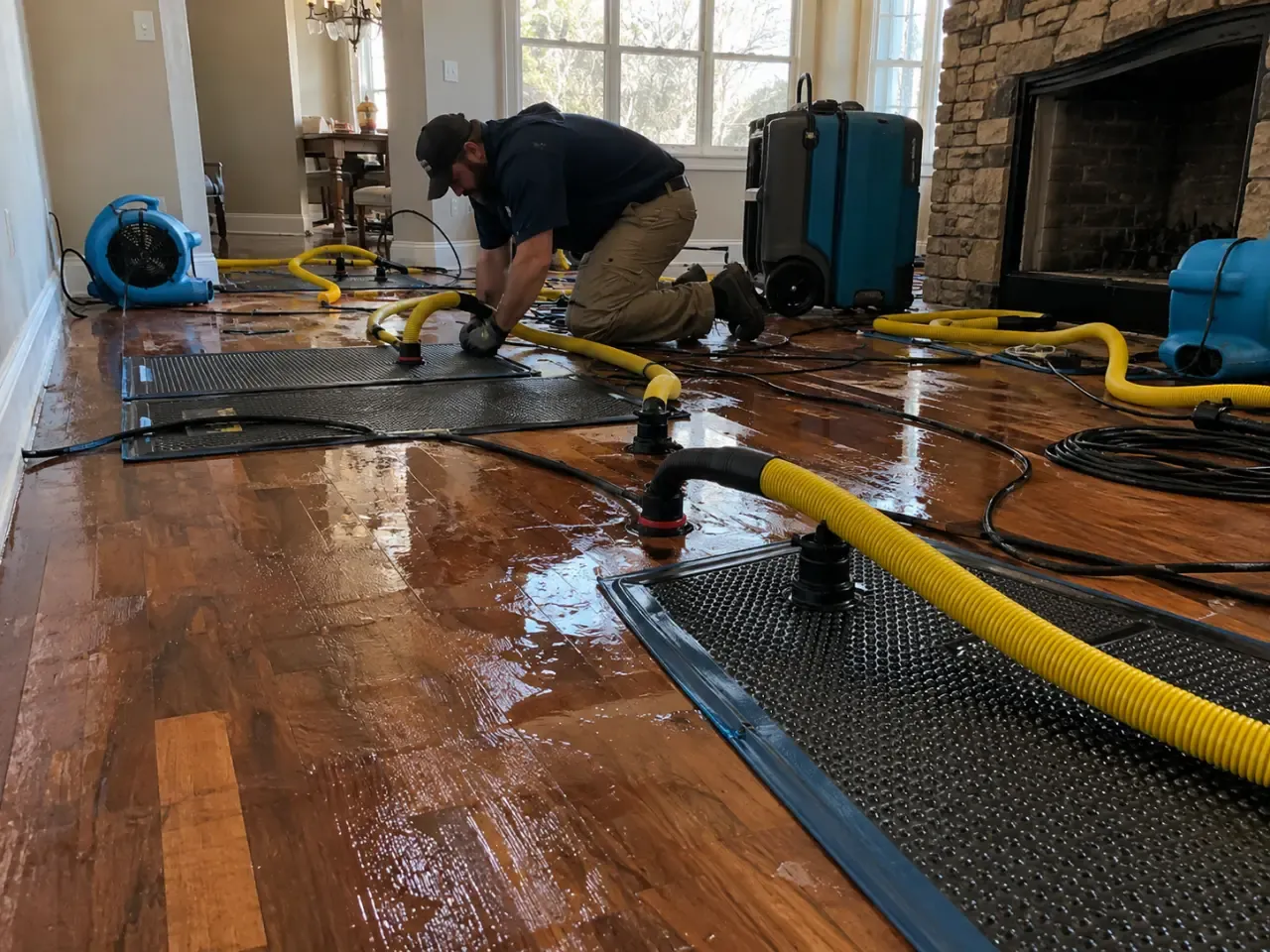
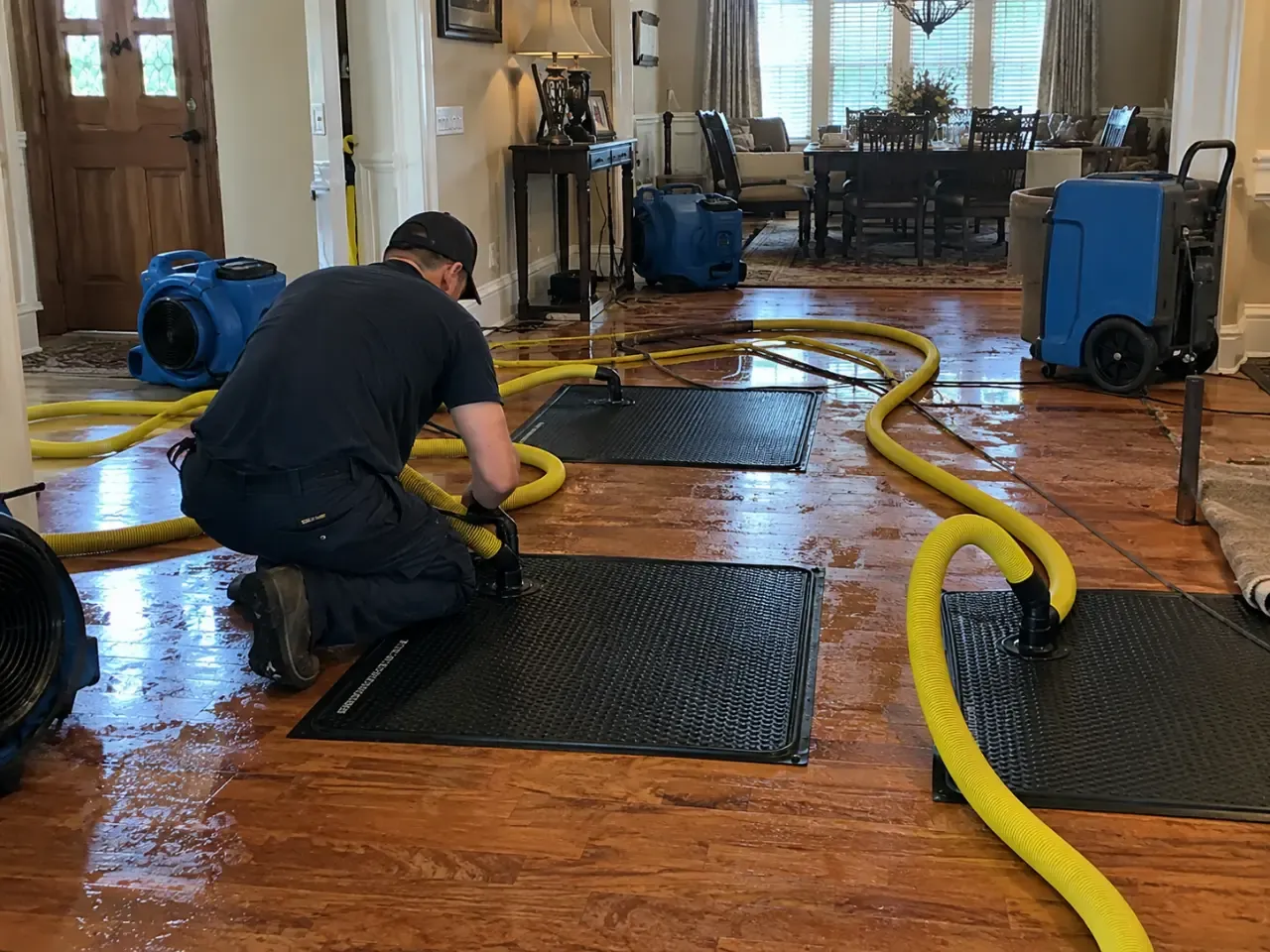
We position LGR dehumidifiers and air movers based on the moisture map, not a guess. Wall cavities get Injectidry Systems when needed. Equipment runs continuously and we adjust placement as readings change.
Daily Moisture Monitoring
A technician checks readings twice a day with a hygrometer and infrared thermometer and logs them. You can see the drying progress in numbers, and we move or add equipment the moment a room stalls.
Final Verification Report
We do not remove equipment until every affected material reads dry standard for two consecutive days. You receive a final report with daily logs, photos, and equipment records for your insurance file.
Service overview
What Structural Drying and Dehumidification Tulsa OK Really Involves
Structural Drying and Dehumidification Tulsa OK is a controlled moisture-removal process that dries the building itself, not just the visible puddle. We use truck-mounted water extraction units and submersible pumps to pull standing water, then place LGR dehumidifiers, air movers, and HEPA air scrubbers to dry framing, subflooring, and insulation. Pin and pinless moisture meters and thermal imaging cameras tell us exactly where water hides inside walls. Drying a Tulsa structure correctly means hitting target moisture content, not guessing by touch.
Tulsa buildings get wet from burst or leaking pipes, appliance and water heater leaks, sump pump failure, basement and crawlspace flooding, and wind-driven rain through roof leaks. Water that sits behind drywall for 48 hours starts feeding secondary mold growth. If you search for emergency structural drying near me in Tulsa after a pipe leak, you need equipment on-site fast. We handle commercial and residential drying services Tulsa wide, from Brookside bungalows to Midtown storefronts.
How we workWe verify the cause, compare realistic options, and confirm the repair before we leave.
The service timeline
How Our Tulsa Drying Process Works
The process flexes to the condition, but these checkpoints keep decisions clear.
Emergency Assessment
We arrive, shut off the water source if it is still running, and map the damage with a thermal imaging camera and moisture meters. You get a clear scope and upfront pricing before any equipment comes off the truck. Most assessments take 30 to 45 minutes.
Water Extraction
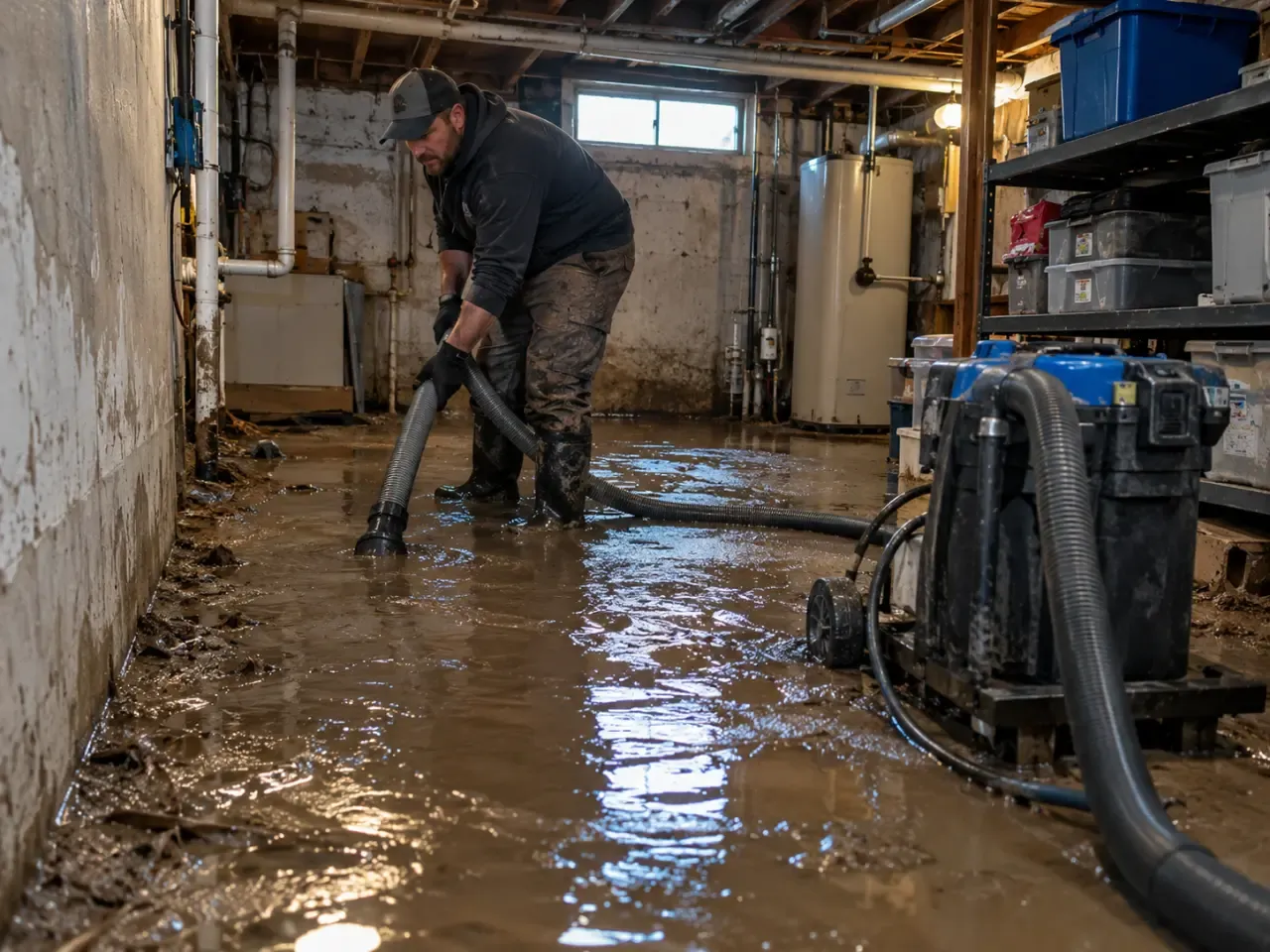
Truck-mounted extraction units and submersible pumps remove standing water from carpet, hard floors, and crawlspaces. A portable carpet extractor handles tight rooms and stairwells. This step usually takes one to three hours depending on volume.
Containment and Air Scrubbing
We hang polyethylene containment sheeting to keep dust and spores out of clean areas, then run HEPA air scrubbers with HEPA filter media. If the water was contaminated, we apply antimicrobial disinfectant before drying begins.
Drying and Dehumidification
LGR dehumidifiers and air movers go to work on walls, floors, and cavities. We check readings with a hygrometer and infrared thermometer twice a day and adjust equipment placement. This phase runs three to five days on most Tulsa jobs.
Verification and Documentation
We do not pull equipment until moisture content matches dry standard in every affected room. You get a final report with daily readings, photos, and equipment logs, which is exactly what insurance adjusters want to see for water damage drying claims in Tulsa OK.
Tools & methods
Equipment and Standards We Use in Tulsa
Purpose-built equipment, used by trained technicians, so the job is done accurately the first time.
Truck-mounted water extraction unit
Pulls large volumes of standing water from carpet and hard floors fast, which shortens the drying phase and reduces material loss.
LGR dehumidifier (Dri-Eaz, Phoenix Restoration Equipment)
Removes moisture from the air so wet materials release water vapor. LGR units keep working in cooler Tulsa basements where standard dehumidifiers stall.
Air mover (XPOWER, B-Air)
Creates high-velocity airflow across wet surfaces to speed evaporation from drywall, framing, and subflooring.
Thermal imaging camera (FLIR)
Reveals temperature differences that point to hidden moisture inside walls, ceilings, and floors without opening them up.
Pin and pinless moisture meter (Protimeter, Tramex)
Measures moisture content in wood, drywall, and concrete so we know exactly when a material reaches dry standard.
HEPA air scrubber
Filters airborne dust, spores, and debris during drying and any demolition, keeping the rest of the building clean.
Use cases
When Tulsa Properties Need Structural Drying
These examples show how the service framework adapts rather than forcing every call through one repair.
Sewage Backup in a Midtown Duplex
A sewer overflow pushed Category 3 water into a ground-floor hallway and two closets. Carpet, baseboards, and the bottom 12 inches of drywall were contaminated and had to come out. → After removal and antimicrobial treatment, we dried the exposed framing and concrete slab to dry standard in five days. Final readings confirmed the structure was clean and dry before rebuild started.
Flooded Crawlspace in Florence Park
A week of spring rain overwhelmed the crawlspace, leaving standing water and soaked floor joists. The house smelled musty and indoor humidity was running above 70 percent. → We pumped the water, removed debris, and ran dehumidifiers and air movers on the joists. Crawlspace humidity dropped to 48 percent in three days, and joist moisture returned to normal by day five.
Problems we solve
Moisture Problems We Solve for Tulsa Properties
Water finds the path of least resistance and then hides. These are the problems we see most often when Tulsa property owners call us for professional dehumidification after a flood or leak.
Hidden moisture inside walls and floors
We use thermal imaging cameras and pin-type meters to find moisture behind finishes, then dry wall cavities with Injectidry Systems and directed air. Readings are logged daily until the cavity hits dry standard.
Sump pump failure and basement flooding
We pump the standing water with submersible pumps, remove ruined materials, then run LGR dehumidifiers long enough to dry concrete and block. Most basements reach dry standard in four to six days.
Secondary mold growth after slow leaks
We dry the structure to S500 standards and treat affected areas with antimicrobial disinfectant. If mold is already established, we bring in AMRT-certified technicians for remediation before finishing the dry-out.
Stormwater intrusion through roof leaks
We trace the intrusion path with infrared imaging, dry attic and ceiling assemblies with directed air and dehumidification, and document everything for your insurance claim.
Pricing process
What Structural Drying Costs in Tulsa
$850 - $4,500 depending on scope
Affected square footage
More wet area means more air movers and dehumidifiers, and more days of equipment runtime. A single room dries far cheaper than a whole floor.
Water category
Clean water from a supply line is the simplest. Sewage backups and floodwater are contaminated, so they add removal, disinfection, and longer drying time.
Material types
Carpet and drywall dry quickly. Hardwood, tile over concrete, and plaster walls hold moisture longer and need more equipment days to reach dry standard.
Questions before we arrive
Frequently Asked Questions About Structural Drying in Tulsa
What is structural drying after water damage?
Structural drying is the controlled removal of moisture from a building's framing, subflooring, drywall, and insulation after water intrusion. It uses air movers, LGR dehumidifiers, and moisture monitoring to bring materials back to dry standard, usually within three to five days. It is different from simple cleanup because it targets moisture you cannot see.
How long does dehumidification take in Tulsa homes?
Most Tulsa homes dry in three to five days with proper equipment. Small, contained leaks can finish in 48 hours. Flooded crawlspaces, sewage backups, and homes with dense materials like tile over concrete can run seven to ten days. We check readings twice daily and adjust, so you always know where the job stands.
How do professionals know when a building is dry?
We compare moisture readings against dry standard for each material, not against the air. Pin and pinless meters check wood and drywall, a hygrometer tracks relative humidity, and thermal imaging confirms no hidden pockets remain. Equipment stays until every affected area reads dry for two consecutive days.
Does insurance cover water damage drying in Tulsa OK?
Most homeowner and commercial policies cover structural drying when the water came from a sudden event like a burst pipe or appliance failure. We document daily readings, photos, and equipment logs so your adjuster has what they need. We work directly with most major carriers and can bill the drying portion of the claim.
Related services
Related Water Damage Services in Tulsa
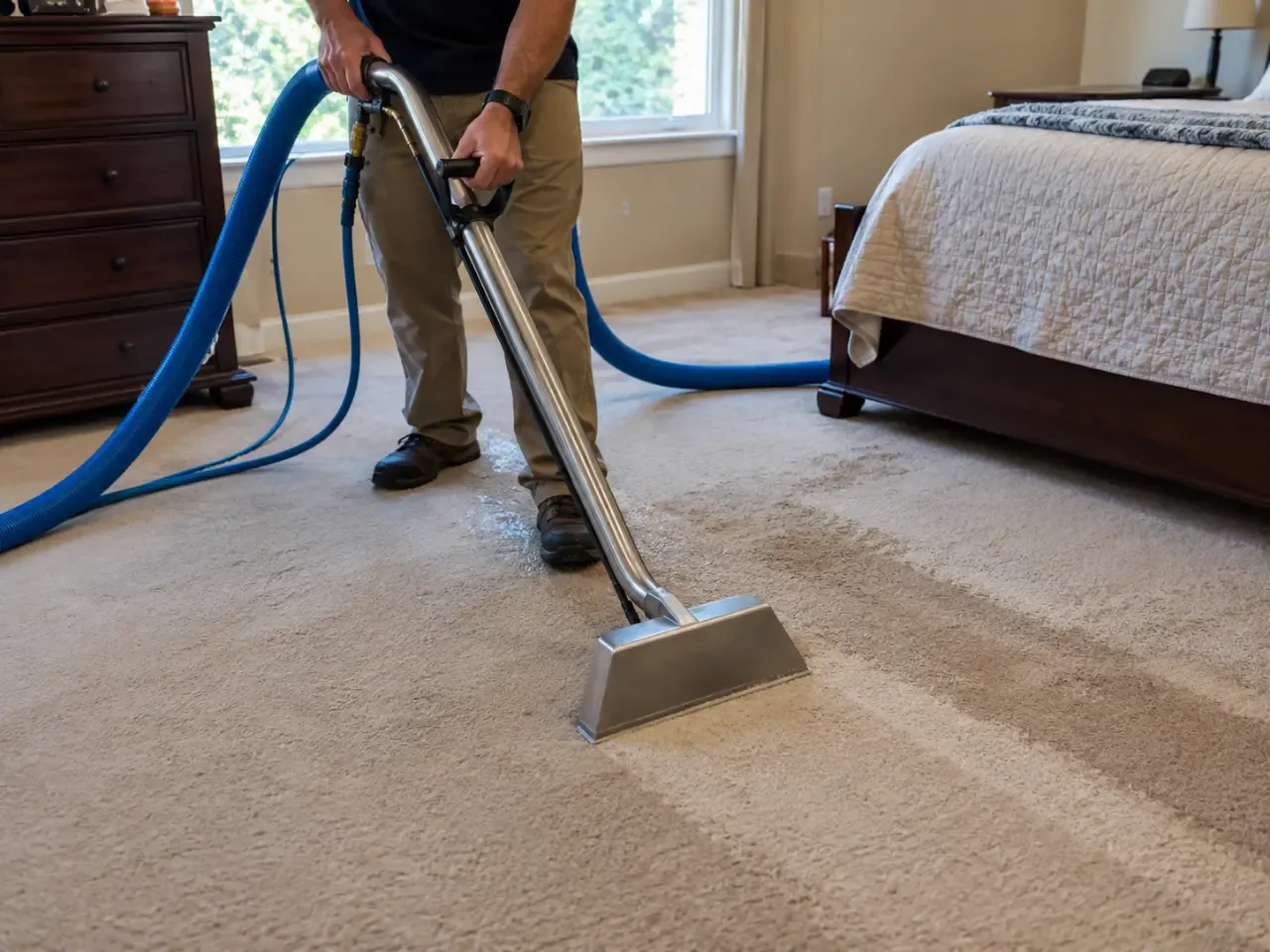
Emergency Water Extraction
Extraction comes first. We pull standing water with truck-mounted units and submersible pumps, then hand the structure to our drying crew. Skipping fast extraction makes structural drying and dehumidification in Tulsa take days longer.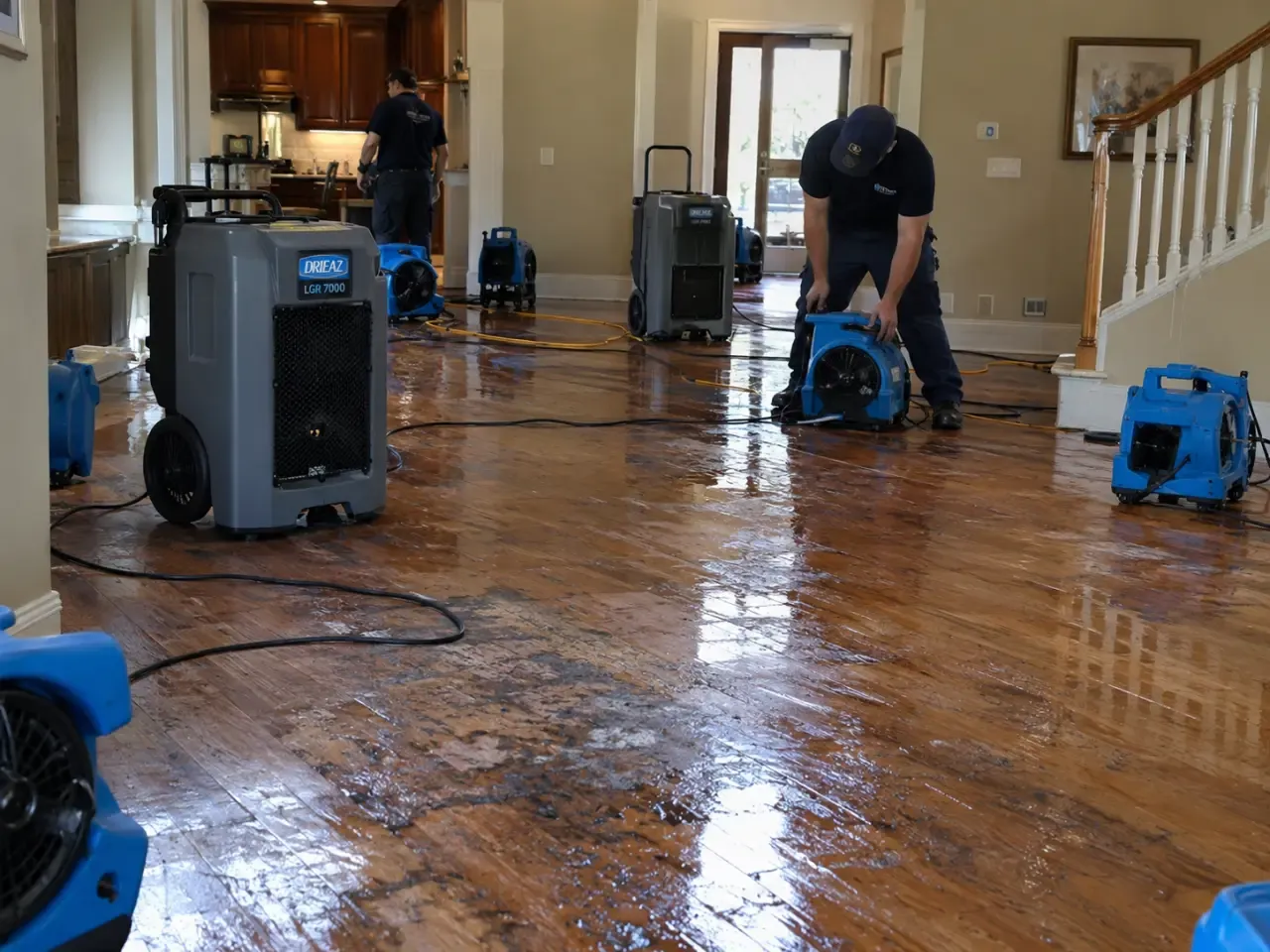
Water Damage Cleanup
Cleanup covers debris removal, antimicrobial treatment, and material disposal after extraction. It pairs directly with building drying and moisture control Tulsa work, because contaminated materials have to come out before dry air can reach the framing.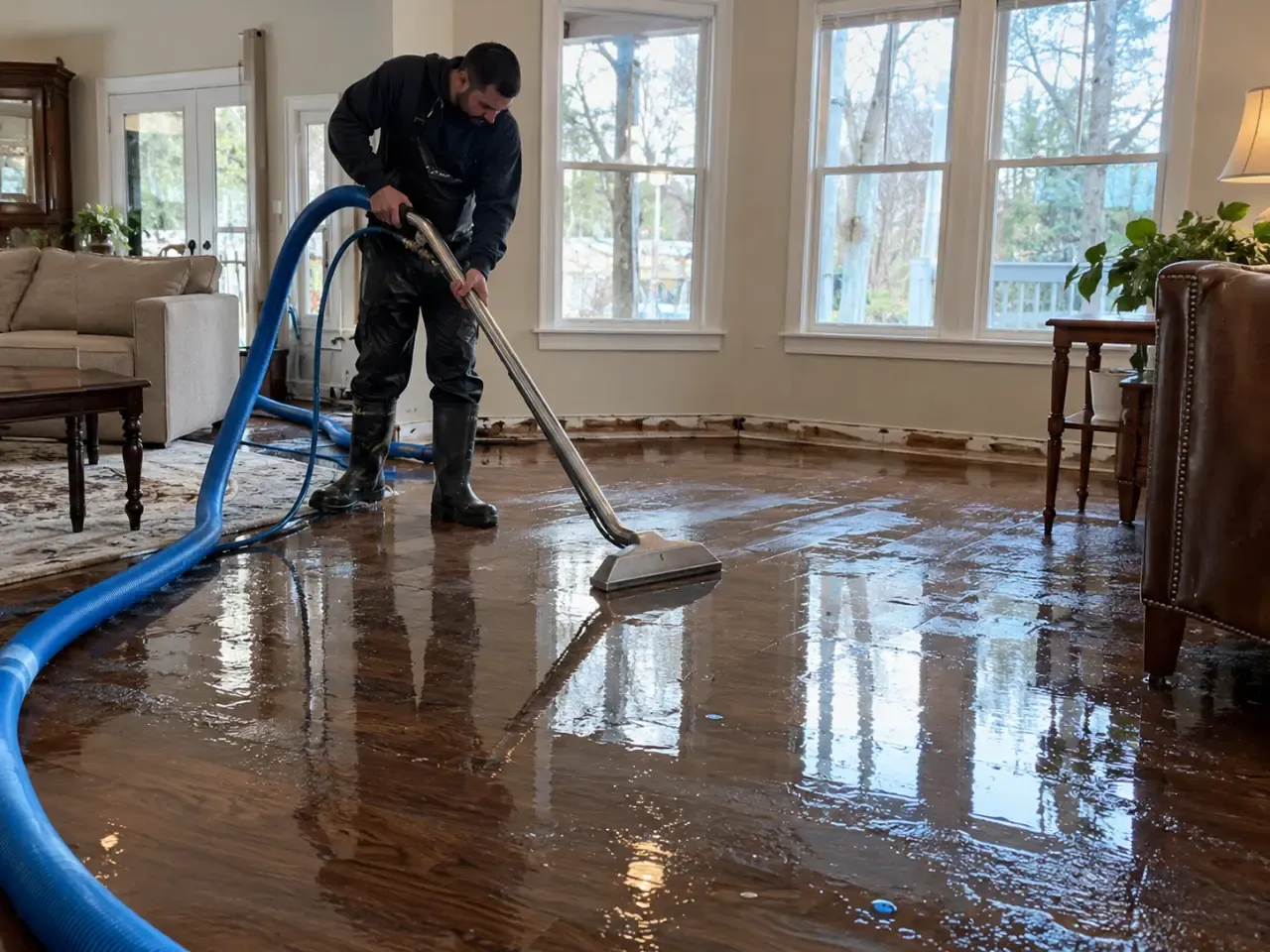
Basement Water Removal
Tulsa basements flood from sump pump failure and stormwater intrusion. We remove the water, then run dehumidification long enough to dry concrete, block walls, and any stored contents. Drying a basement without dehumidifiers just moves the moisture around.Ready when you are
Need Structural Drying and Dehumidification Tulsa OK Now?
Every hour a structure stays wet raises the cost and the mold risk. Call Tulsa Water Shield at (918) 848-9096 and we will have drying equipment on-site the same day. Licensed, insured, and IICRC certified, serving all of Tulsa County.
Talk with the local team
Request Structural Drying & Dehumidification
Call (918) 848-9096 any hour of the day or night. We answer live, ask a few questions about the water source, and dispatch a crew. Most Tulsa addresses see a technician within about an hour, and you get a written estimate before any work starts.